The 10 Core Duties of Event Crew: What Every Event Relies On Behind the Scenes
Event crew are undoubtedly the backbone of live events. Working closely with external teams, peers, and organizers, they handle every task from setup to breakdown, a role that requires skill, precision, and teamwork. In reality, their work goes far beyond what is typically outlined on paper. In this blog, we will explore 12 core duties that keep events running smoothly.
Loading and Unloading
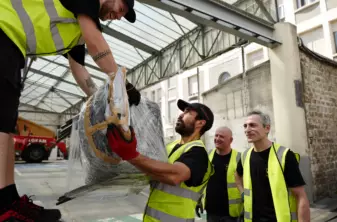
Loading and unloading is exactly what it sounds like. Event crew move equipment, kit, sets, props, and anything else needed for an event, either from transport vehicles like trucks and vans or from storage at the venue into the spaces where it will be used. At the end of the event, the process is reversed, returning everything to its original location.
This work is crucial, as events simply couldn’t run without it. Careful handling prevents damage and ensures all items are accounted for. It usually takes place at the very start of the event build and again once the event has finished.
Stage Assembly
Stage assembly is the construction of the physical structures required for an event. This can include risers, platforms, decks, stairs, and safety features such as handrails or guardrails. A stable, correctly built stage is essential for the safety of performers, crew, and the audience. Examples range from concert stages and festival platforms to exhibition stands and theater sets. Stage assembly typically takes place after loading is complete, before technical setups such as lighting and sound begin.
Lighting Prep
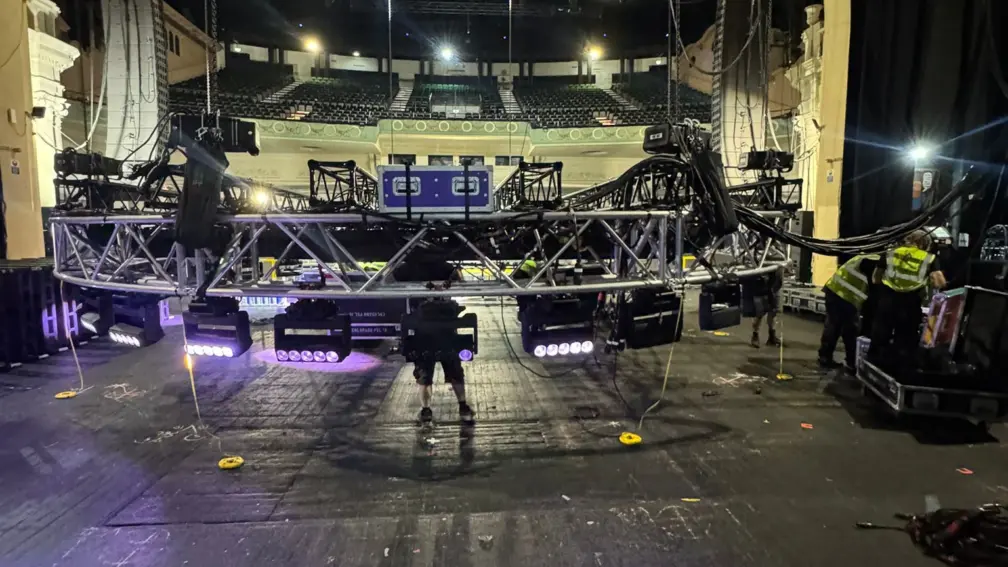
Lighting can make or break an event. It must be prepared and installed in advance, which can involve rigging fixtures, focusing lights, and adding gels or gobos. Proper lighting ensures that the stage or venue is both visually effective and safe.
While every event uses some form of lighting, the most complex setups are usually found at concerts, theater productions, festival stages, and exhibitions. This work is carried out after the stage is assembled, but before the event goes live.
Cable Management
Cable management is all about organizing and safely routing power, audio, and data cables throughout an event. Properly laid, taped, and covered cables are crucial for two reasons. First, safety: loose or tangled cables can create trip hazards or be damaged by spills.
Second, appearance: a tidy setup keeps the venue looking professional rather than messy with wires everywhere. This includes everything from stage power runs and sound or lighting cables to AV feeds and backstage connections. Cable management is usually carried out after stage assembly and lighting prep are complete.
Audience Flow Support
Audience flow support is about guiding and managing guests to keep them safe and ensure the event runs smoothly. This can involve setting up barriers, directing crowds, managing queues, and overseeing entry and exit points. It is important to prevent hazards such as overcrowding, keep attendees safe, and maintain a positive experience.
This role is essential at concerts, festivals, conferences, theater shows, and exhibitions where large crowds are present. Audience flow support takes place throughout the event, from the start of doors opening until the venue is clear.
Backstage and Crew Support
Backstage and crew support is all about keeping things moving behind the scenes. Stage crew members work closely with performers and technical teams, helping with everything from moving equipment and props to supporting quick changeovers and keeping backstage areas organized.
This support plays a key role in preventing delays and making sure everyone has a safe, functional space to work in. It runs throughout the entire event, from setup and rehearsals through to live performances and breakdown, and is essential at concerts, theater productions, festivals, and any event with backstage operations.
Site Maintenance
Heard the saying, “messy room, messy mind”? Now imagine that on the scale of a festival or concert. Site maintenance is all about keeping the event space clean, organized, and safe, no matter how hectic things get.
Crew members remove waste, tidy work areas, clear debris, and check for hazards, making sure the site stays functional and professional at every stage. It’s especially vital at festival grounds, exhibition halls, concert venues, and conference spaces, and runs from the first moments of setup all the way through to breakdown.
Health & Safety Monitoring
Health and safety monitoring is one of the most critical duties on site. An Event Crew can keep a close eye on the event to make sure everyone stays safe and follows the rules. They check for hazards, ensure PPE is worn correctly, spot risks, and respond quickly if incidents arise.
This work is vital for preventing accidents, keeping the event running smoothly, and protecting staff, performers, and attendees. At large-scale events, crew oversee crowd safety, inspect stages and rigging, and monitor electrical or machinery areas, maintaining vigilance from setup through to breakdown.
Live Show Support
Live show support is all about being ready to react and assist while the event is happening. This can include handling last-minute adjustments, troubleshooting technical issues, helping performers or crew, and keeping the show running smoothly and on schedule.
It is crucial because it ensures the event runs without major interruptions, maintains quality, and supports both performers and the audience experience. Crew may be responsible for fixing lighting or sound issues mid-show, managing unexpected stage changes, or coordinating with backstage teams throughout the event.
Breakdown & Load-out
Breakdown and load-out takes place at the end of every event and involves dismantling all sets, props, and stages, then returning them to storage or transport. Crew are responsible for taking down stages, truss, lighting, and AV equipment, packing cases, and loading vehicles efficiently and safely to prevent damage.
Proper breakdown ensures all equipment is accounted for, maintained, and ready for future events. Finally, the space or venue is left clean, organized, and hazard-free.
Behind every successful event is a team of skilled crew working tirelessly to make it happen. From the first load-in to the final load-out, they ensure stages are built safely, lights shine perfectly, and every guest enjoys a smooth, memorable experience.
While these 10 core duties cover the essentials, every event is unique, and crew often take on countless additional tasks to meet specific requirements. Their work may go unseen, but it is essential to the success of every event, proving that the magic of live events truly happens behind the scenes.
To hire our New York Event Crew for your next event, get in touch with our team.