The Borough Guide: Hosting Events in Manhattan, Brooklyn, Queens, The Bronx and Staten Island
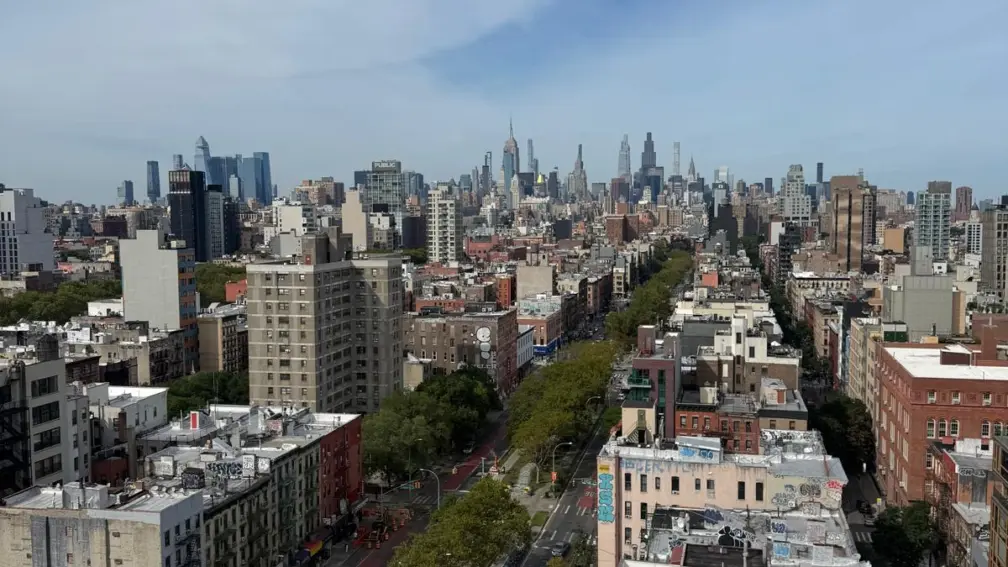
New York isn't one event city. It's five. Each borough has its own character, its own venues and its own logistical quirks. A product launch in Midtown and a festival in Queens might only be a few miles apart, but they call for very different planning, staffing and timelines. Whether you're a local producer or an international team planning your first New York event, this guide walks through what each borough offers and what to plan for, so you can choose the right location and build the right team around it.
Manhattan
Best for: conferences, trade shows, product launches and high profile brand events
Manhattan is where most people picture a New York event, and for good reason. It's home to the Javits Center on the West Side, the new venues of Hudson Yards, and hundreds of hotel ballrooms, rooftops and private event spaces. The trade off is space. Load-in windows are often tight, loading docks and freight elevators are shared and need to be booked in advance, and street parking for trucks is limited. Many buildings have strict rules on access times, so overnight or early morning load-ins are common.
Plan for: a detailed load-in schedule, crew who can work efficiently in tight spaces, and extra time for building access and deliveries.
Brooklyn
Best for: brand activations, creative and cultural events, and warehouse-style productions
Brooklyn has become one of the city's most popular event destinations, especially for brands looking for something with more character. Venues like the Brooklyn Navy Yard, Industry City and the Brooklyn Expo Center offer large, flexible spaces with an industrial feel. That flexibility comes with more work. Raw or industrial spaces often need a full build from scratch, including power, staging, lighting and furniture. The more you're bringing in, the bigger your crew and the longer your build.
Plan for: a larger crew for load-in and de-rig, a longer build schedule, and a clear plan for getting equipment in and out.
Queens
Best for: large scale outdoor events, sports, festivals and concerts
Queens offers some of the biggest open spaces in the city. Flushing Meadows Corona Park, the USTA Billie Jean King National Tennis Center and Citi Field all host major events throughout the year. It's also home to both JFK and LaGuardia airports, which makes it a practical choice for international teams and events with freight arriving from overseas.
Plan for: multi-day builds for outdoor sites, crew scheduling across long show days, and weather contingencies.
The Bronx
Best for: sports, concerts, cultural events and outdoor experiences
The Bronx is home to Yankee Stadium, one of the city's best known event venues, along with green spaces like the New York Botanical Garden that host everything from private dinners to seasonal exhibitions and large public events. Stadium scale events bring stadium scale requirements. Crowd flow, staggered entry and exit, and coordination with venue teams all need careful planning, while garden and park venues often come with their own rules on access, vehicles and protecting the grounds.
Plan for: larger crew numbers for big capacity events, early coordination with venue operations teams, and careful routing for vehicles and equipment.
Staten Island
Best for: waterfront events, cultural events and community gatherings
Staten Island is often overlooked, but it offers waterfront views and characterful venues such as Snug Harbor Cultural Center & Botanical Garden and the historic St. George Theatre, usually with more breathing room than the busier boroughs. Getting there takes more planning. Crew and audiences may arrive by the Staten Island Ferry, while trucks and deliveries come in via the Verrazzano-Narrows Bridge or from New Jersey.
Plan for: realistic travel times for crew and deliveries, and call times that account for ferry and bridge schedules.
Planning essentials across all five boroughs
Whichever borough you choose, a few things apply across the city.
Permits for public spaces. Events on streets, sidewalks or pedestrian plazas need a permit from the city's Street Activity Permit Office. Street event applications are due 14, 30 or 45 days ahead depending on the size of the event, and other agency permits need to be in place before the city signs off. Events in parks have their own permit process, so check requirements with your venue early.
Licensed security. Security guards working in New York State must be registered with the New York Department of State. If your event needs security, book a licensed provider and coordinate them with your crew and venue team from the start.
Book your crew early. New York's event calendar is busy year round, and experienced crew get booked up fast. As a general guide:
- Standard events: at least 2 to 4 weeks
- Larger or more complex productions: 1 to 2 months
- Major or international events: 2 months or more
Build in travel time. Traffic, bridges, tunnels and parking all affect how long it takes to get crew and equipment on site. What looks like a short distance on a map can take far longer at rush hour.
Event crew across New York
From tight Manhattan load-ins to full warehouse builds in Brooklyn and large outdoor sites in Queens, every borough asks something different of your crew. Alpha Crew provides experienced event crew across New York, with crew bosses on site to keep your build, show and de-rig running smoothly.
Planning an event in New York?
Get in touch with Alpha Crew to talk through your crew requirements. The earlier we hear from you, the more we can help.