The Biggest Music Festivals in New York
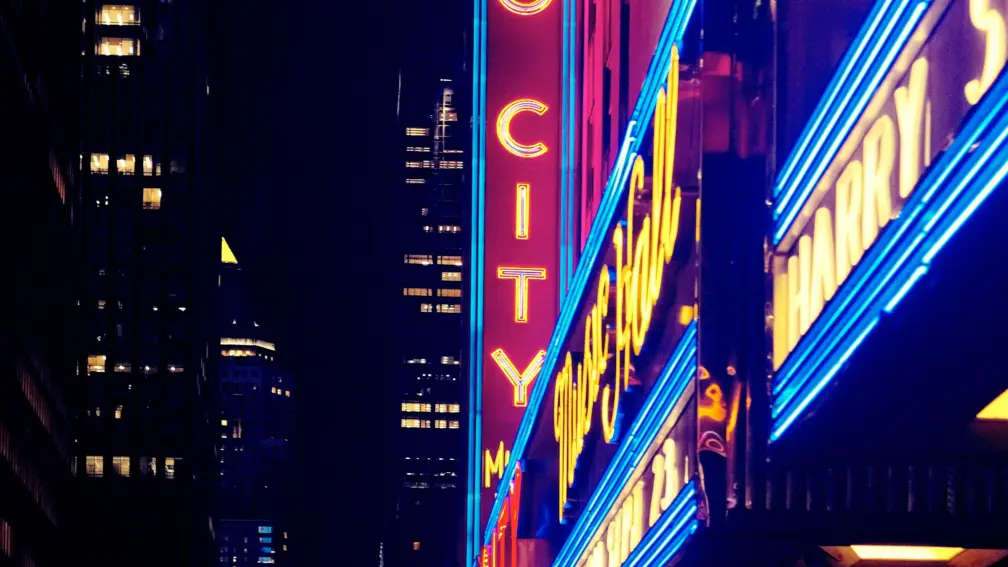
New York City is one of the most demanding live music markets in the world. Between Memorial Day and the first cold snap of October, the five boroughs host hundreds of outdoor shows, dozens of multi-day festivals and a steady stream of activations that test every link in the production chain.
For any organizer running a show here, the difference between a tight, on time set change and a costly stage hold often comes down to one thing: the stage crew. NYC throws challenges at production teams that simply don't exist in suburban fields or desert sites and the city rewards the operators who plan for them.
This is a working overview of New York's festival landscape, the crew roles that hold it together and what organizers should know before the season kicks off.
NYC: the live music capital with no off season
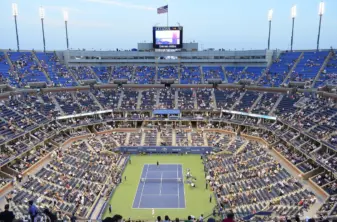
New York has always been a touring priority but the city's outdoor festival calendar has thickened considerably in the last decade. Multi-stage productions now run from Randall's Island to Prospect Park, from Forest Hills Stadium to the waterfronts of Brooklyn and Queens.
The audience density, the transit infrastructure and the world class talent pool are unmatched. And so are the permit windows, load-in restrictions and noise ordinances.
The major festivals on the NYC calendar
A few flagship productions define the season:
The Governors Ball
June at Flushing Meadows Corona Park. A three day, three stage production with headliners spanning hip-hop, pop, indie and electronic. Daily attendance regularly clears 50,000, with multi-day crowds well into six figures.
Capital One City Parks Foundation SummerStage
May through October across 13 parks in all five boroughs. The 40th anniversary 2026 season features 60+ shows, with the flagship Rumsey Playfield stage in Central Park and neighborhood stages from Marcus Garvey Park to Crotona Park.
BRIC Celebrate Brooklyn!
Summer long Prospect Park Bandshell programming, mixing free community shows and benefit concerts.
Global Citizen Festival
Late September, Great Lawn, Central Park. A single stage, large format production with international broadcast requirements.
AfroPunk Brooklyn
A multi-stage cultural festival with strong fashion, food and visual programming alongside the music.
Forest Hills Stadium summer series and Brooklyn Mirage
Not festivals in the strict sense, but anchors of the city's recurring large format outdoor calendar. Scale varies wildly. A summer stage neighborhood show might run one stage and a 1,500-person footprint; Governors Ball runs three main stages plus secondary activations, dressing room villages, FOH towers, delay towers and back-of-house compounds the size of a small village.
The crew roles that make it work
Behind every festival deck is a layered crew structure. The right mix of disciplines is what separates a clean show from a stage hold.
Stage crew
Stagehands handle load-in and load-out of backline, risers, drum kits and band gear. They execute set changes inside tight changeover windows, often 20-30 minutes between headline-tier acts.
Riggers
Up-riggers and ground-riggers handle motors, trusses and overhead points for lighting, video and PA arrays. On a Class A festival stage, a single roof can carry tens of thousands of pounds of equipment.
Audio crew
System techs tune PA arrays and delay stacks; monitor engineers ride wedges and in-ears; patch techs manage stage boxes and splits across artist consoles. Outdoor sound in NYC is shaped by wind, humidity and tight residential noise envelopes.
Lighting and video crew
Lighting techs, dimmer techs and LED wall technicians execute the visual show. Programmers operate consoles like grandMA3, while spot ops handle follow spots from FOH or delay towers.
Production management
Stage managers run the deck; production coordinators handle artist advance; site managers cover the footprint.
Safety and labor compliance
Local 1 IATSE relationships, OSHA-compliant fall protection, weather monitoring and incident response are non negotiable in this market.
The logistical realities of an outdoor NYC show
A New York festival is logistically very complex. More so than many other cities due to narrow streets, low bridges and overnight delivery windows. This makes load-ins tricky.
Outdoor stages must be engineered for wind hold thresholds (typically 40 mph sustained or 58 mph gusts) and lightning evacuation protocols. PA design has to thread the needle between coverage and the city's nighttime noise ordinances. Power distribution is often generator fed which has to handle redundant feeds for audio, lighting, video, broadcast and BOH simultaneously.
And every one of those decisions sits on top of a permit stack involving NYC Parks, FDNY, NYPD, DOT and the Mayor's Office of Citywide Event Coordination and Management (CECM).
Tips for organizers
Start permits early
CECM applications open well in advance of the event; major format builds need 90+ days of lead time and Parks coordination.
Build a realistic load-in schedule
Factor in NYC truck routes, residential noise curfews, and union call windows.
Lock weather contingencies in writing
Wind hold, lightning hold and show stop protocols should be signed off before the first truck rolls.
Hire a crew that has worked the venue before
Site specific knowledge, rigging points at Rumsey, gen placement at Randall's, BOH flow at Prospect Park is the most underrated cost saver in the budget.
If you're planning a 2026 or 2027 build and want a partner who has actually worked the sites you're loading into, get in touch with our New York Event Crew via info@alphacrew.us