History of Madison Square Garden
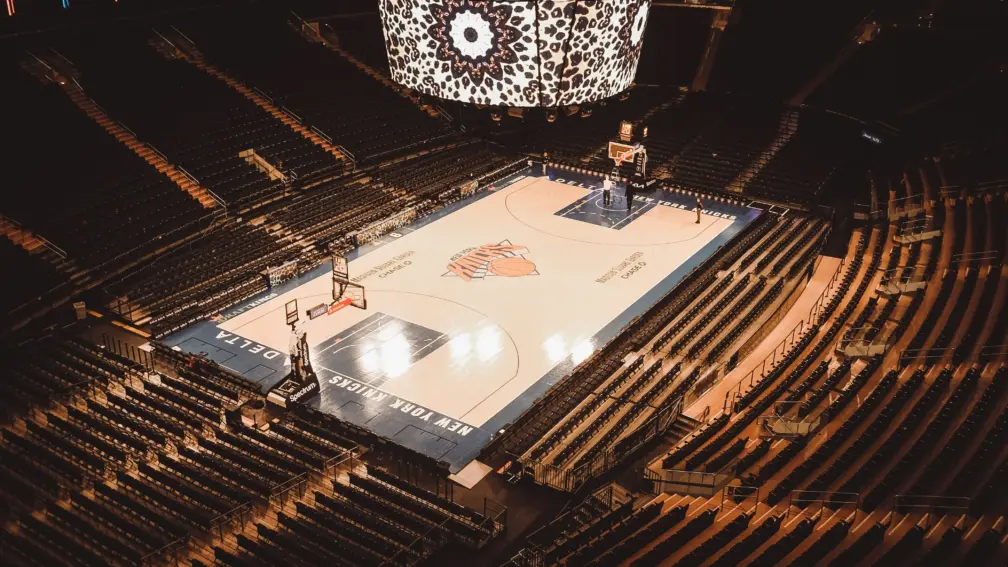
Madison Square Garden, or ‘MSG’, is one of New York City’s most iconic event venues and is recognized globally as ‘The World’s Most Famous Arena’. Located in Midtown Manhattan, MSG has hosted some of the biggest moments in sport and entertainment, from legendary concerts and boxing matches to professional basketball, ice hockey, and more. In this blog, our New York Event Crew explore the history of this world renowned venue and how it has become a global benchmark for live events and production.
The Origins of Madison Square Garden: The First Garden (1879 - 1890)
The first Madison Square Garden opened in 1879 near Madison Square Park in Manhattan, where the venue got its famous name. Originally built as a public gathering space, it was designed to host a variety of events, including exhibitions, performances, social gatherings, and sporting events.
Although much smaller than the arena we know today, the first Garden helped establish the idea of a dedicated multi-purpose entertainment venue in New York and created the foundations for MSG’s long standing legacy.
The Second Madison Square Garden: A New Era for Events (1890 - 1925)
As the popularity of the venue grew, a second Madison Square Garden opened in 1890 with a larger, more impressive design created by architect Stanford White. The new building offered improved facilities and quickly became a landmark in New York.
The second Garden hosted a wider range of events, including boxing matches, cycling competitions, concerts, exhibitions, and political gatherings. During this period, MSG became an important part of New York’s cultural identity and a recognized destination for major events.
The Third Madison Square Garden: Moving Towards a Modern Arena (1925 - 1968)
The third Madison Square Garden opened in 1925 as demand grew for a larger venue capable of hosting bigger audiences and more ambitious events. Located on Eighth Avenue, it became a key part of New York’s expanding entertainment industry.
Over its 43-year history, the venue hosted legendary boxing matches, concerts, and sporting events, while adapting to the increasing technical and logistical demands of large scale productions.
The Fourth Madison Square Garden: The Arena We Know Today (1968 - Present)
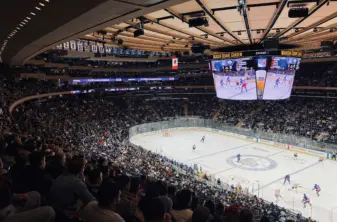
The current Madison Square Garden opened in 1968 above Pennsylvania Station, introducing a modern arena designed to host a wide variety of events. Its flexible design allowed it to accommodate everything from basketball and hockey to concerts and special events.
Following major renovations, MSG has continued to evolve with improved technology, production facilities, and audience experiences. Today, it remains one of the world’s most iconic venues and continues to set the standard for live events and arena design.
Legendary Events that Shaped MSG’s Legacy
MSG is most well known for hosting an impressive list of iconic performances by some of the world’s biggest stars. Legendary concerts at MSG have included performances from artists such as Elvis Presley, Led Zeppelin, Billy Joel, Elton John, Madonna, Beyoncé, Taylor Swift, and John Lennon, whose 1974 appearance with Elton John became one of the venue’s most memorable musical moments.
Beyond music, MSG has also been the setting for some of the biggest moments in sports and entertainment. The venue has hosted historic events including the ‘Fight of the Century’ in 1971, when Muhammad Ali faced Joe Frazier in one of boxing’s most famous heavyweight bouts, as well as countless NBA, NHL, wrestling, and championship events. From legendary performances to unforgettable sporting moments, MSG’s ability to bring together global audiences has helped secure its reputation as one of the world’s most iconic event venues.
Architectural and Technical Innovations at Madison Square Garden
As you might expect, Madison Square Garden has evolved significantly since it first opened. To keep pace with the ever changing events industry, the venue has undergone continuous improvements over the years, ensuring it remains one of the world's leading arenas. Some of the most notable upgrades made through major renovations include:
- Enhanced seating and audience experience
- Improved technology and digital displays
- Upgraded lighting, sound, and production capabilities
- Modern facilities for performers, athletes, and event teams
These ongoing developments have allowed MSG to adapt to the increasingly complex demands of modern concerts, sporting events and live productions, helping it maintain its reputation as 'The World's Most Famous Arena'.
Delivering Events at Madison Square Garden
Producing events at one of the world's busiest arenas is no small task. Behind the scenes, every event relies on careful planning and coordination. Key operations include:
- Load-ins and load-outs
- Equipment movement and storage
- Venue preparation and event turnaround
- Coordination between production teams, venue staff, organizers, suppliers, and contractors
Experienced crews play a vital role in delivering events in a fast paced arena environment. Depending on the event, teams may include:
- Stage crew
- Technical crew
- General event crew
- Logistics and transport teams
- Specialist plant and machinery operators
- Front of house / stewards
- Security personnel
Workflows vary depending on the type and scale of the event, but success always relies on skilled professionals working together efficiently behind the scenes.
Why Madison Square Garden Remains “The World’s Most Famous Arena”
A combination of MSG's history and evolution, location and size, iconic events and innovation have helped forge its staggering global reputation. Today, the venue continues to set the standard for live entertainment and event production around the world.
Behind every successful event at a world class venue is a skilled team working together behind the scenes to ensure everything runs seamlessly. To find out more about Alpha Crew's event services and how we can support your next project, contact our Event Crew today.